Hope Island

Hope Island

FIELDWORK - is an edit from the comb jelly videos shot this past summer in and around Bull Harbor, Hope Island, British Columbia. This is raw material for coming installations and environments. The sound is built from field recordings made at Hope Island, with hydrophones, contact mics, parabolic mics. Audio processing was accomplished with the Monome ARC4 and 'GrainChild' / Ableton Live software built by Alec Brady, and with Glitchmachines 'Cataract' and Expert Sleepers 'Spectral Conquest.' This work owes a great deal to my host and Captain of the ship 'Moondance' aka Dave Olsen. Comb Jellies recently initiated a radical re-drawing of the tree of life, from the bottom up. The audio can be heard here: https://soundcloud.com/charlies-experiment/fieldwork-comb-jellies-2014 More information: http://www.nature.com/news/2011/110907/full/news.2011.520.html http://en.wikipedia.org/wiki/Ctenophora http://blogs.kqed.org/science/2014/06/02/comb-jelly-dna-studies-are-changing-how-scientists-think-animals-evolved/
This is a fast edit from the trip to Hope Island this summer - originally cut for the Rhodes House and CalArts keynote lectures in October. I'm developing a sonic work from these recordings, along with electric cello recorded in the studio. More on this soon.

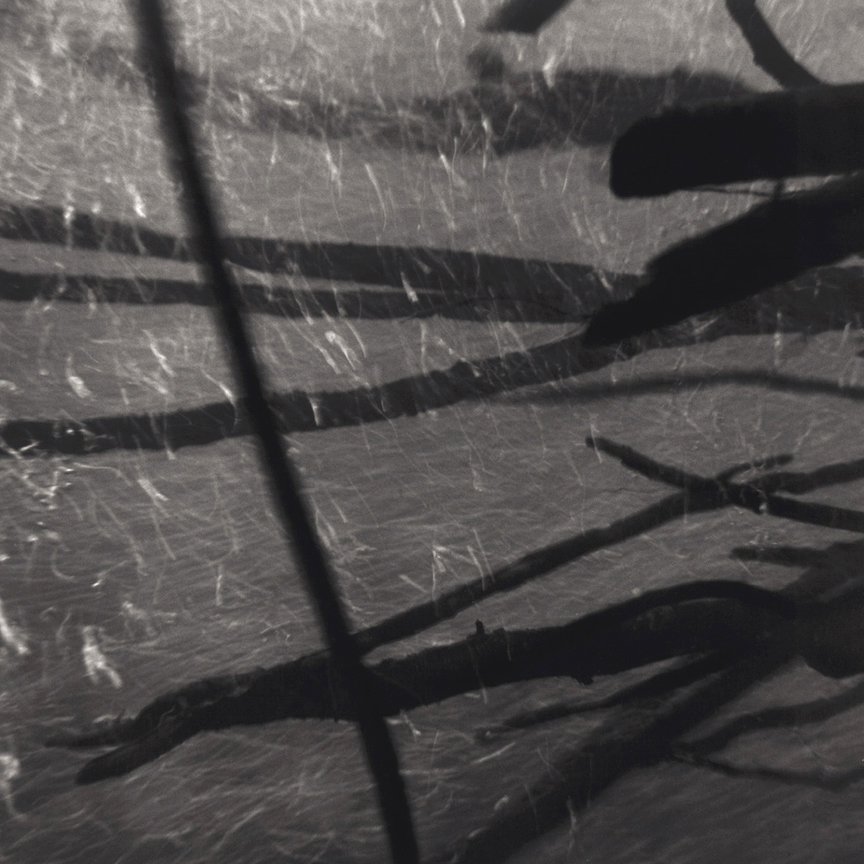
Hope Island is an entirely new project. I was looking at flotsam, beached masses of bull kelp, detritis from Fukushima, and trying to understand why beach combing is so fascinating. Beyond the obvious, why do people collect oddly shaped rocks? Mix that with an interest in visualizing wind as a metephor for currents of information ... I've also collected many of the original 1/2" data tapes from NASA's 1960's ECHO II research into passive communications, which involved giant metal balloons. My metalized balloons more closely mimic meteorological research balloons. With a certain irony I'm tethering them to things I find interesting in order to represent the ideas that form during deep observation of nature. Serious investigations into bio-mimicry and the sublime seem to encounter the silly and a curiously insatiable attraction to shiny new things .... Of course sometimes a balloon is just a balloon. More stills, videos and a truly concise explanation coming soon. First I'm headed back to Pt. Reyes for further 'research.'
CODE Humpback

CODE Humpback

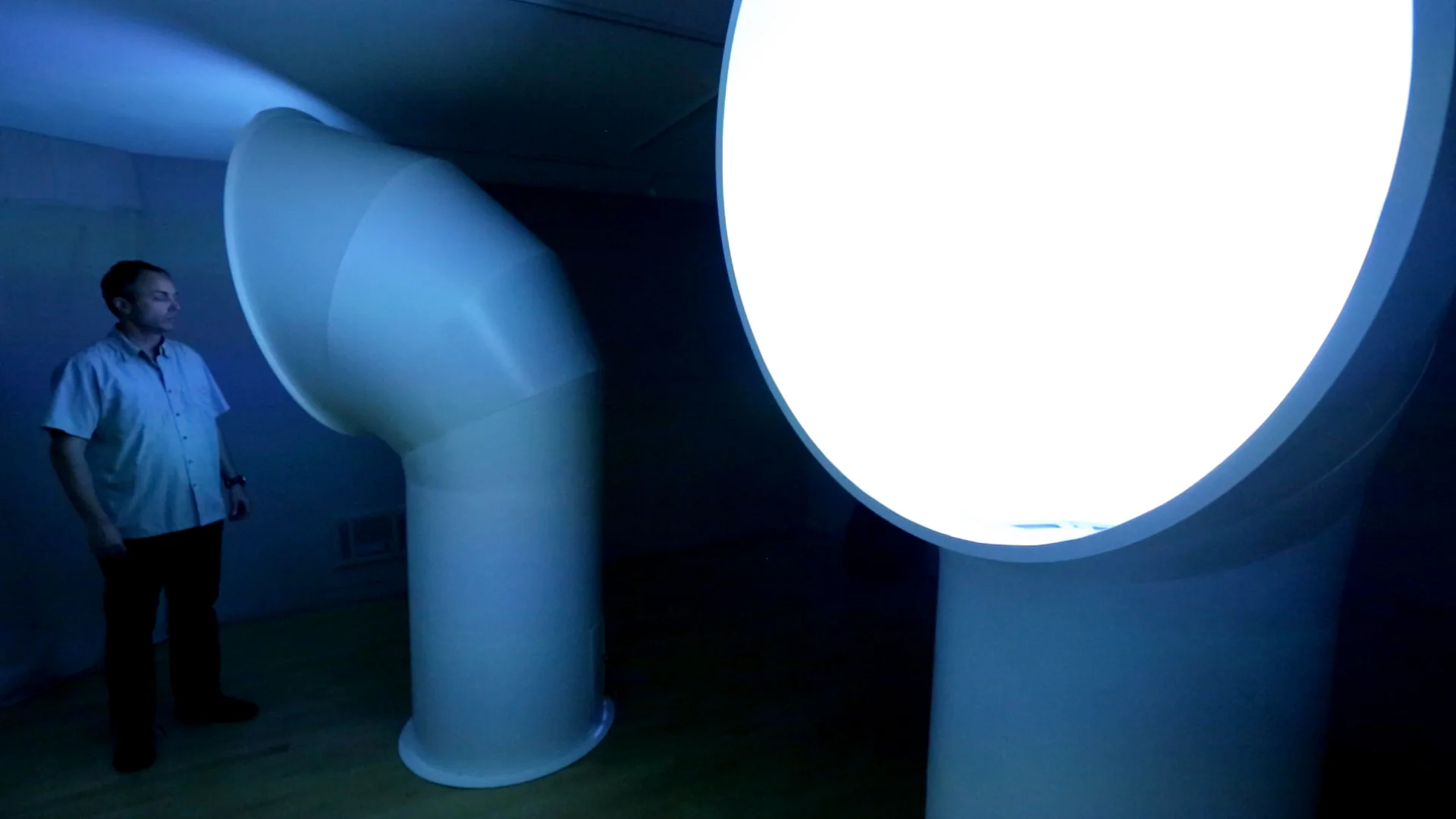
CODE Humpback is an installation project merging ideas about encrypted signals and inter-species communication. I’m collaborating with SETI Institute scientist Laurance Doyle, who along with colleagues from UC Davis and the Alaska Whale Foundation have used the mathematics of information theory to determine that humpback whale vocalizations have rule-structure complexity, what in human languages is called "syntax." The humpback communication system is an ancient global language - yet we remain effectively alien to each other. The RCA Morse Code transmitting and receiving stations at Bolinas and Pt. Reyes California are the last of their kind in the U.S. to maintain this once vital maritime language. Thanks to engineers Richard Dillman and Steve Hawes I was able to transmit and receive two messages, 'what are the whales saying?' and 'all we need is love.' Aside from the implied meaning of the prose theses messages become ‘musical’ as morse code. I’ve developed this sonic aspect of the work by converting audio to MIDI, to enable parallel layered expressions of the same ‘idea’ through software instruments and samplers. The installation is comprised of hollow metal sculptures based on the scoop shaped air vents of early 20th century ships - an aesthetic that is both functional and also organic, like something from Dr Seuss. Distinct audio/visual content emanates from within each scoop: whale vocalizations, morse code messages and their musical equivalents, field recordings, video of two and three vector ocean surface interference patterns made in the Pacific. The videos becomes clear when the viewer approaches and looks down into each sculpture. Future iterations of this work may include many more 'scoops' … thanks to: Laurance Doyle and the SETI Institute. Fred Sharpe / Alaska Whale Foundation Steves Hawes and Richard Dillman at the RCA Bolinas. Wayne Campbell, Michael Couuts and Ezra Connor - who fabricated the pieces. Andy Rappaport who helped swap out the video players while I was AWOL Eric McDougall who moderated the public talk John Korty who documented the talk Dave Olsen, Skipper of Moondance Jennifer Gately, Director of the Bolinas Museum
CODE Humpback is an installation project merging ideas about encrypted signals and inter-species communication. This is the 'What are the Whales Saying' video that is rear projected inside scoop A. Please see the installation video if you haven't. I’m collaborating with SETI Institute scientist Laurance Doyle, who along with colleagues from UC Davis and the Alaska Whale Foundation have used the mathematics of information theory to determine that humpback whale vocalizations have rule-structure complexity, what in human languages is called "syntax." The humpback communication system is an ancient global language - yet we remain effectively alien to each other. The RCA Morse Code transmitting and receiving stations at Bolinas and Pt. Reyes California are the last of their kind in the U.S. to maintain this once vital maritime language. Thanks to engineers Richard Dillman and Steve Hawes I was able to transmit and receive two messages, 'what are the whales saying?' and 'all we need is love.' Aside from the implied meaning of the prose theses messages become ‘musical’ as morse code. I’ve developed this sonic aspect of the work by converting audio to MIDI, to enable parallel layered expressions of the same ‘idea’ through software instruments and samplers.
CODE Humpback is an installation project merging ideas about encrypted signals and inter-species communication. This is the 'All We Need is Love' video that is rear projected inside scoop B. Please see the installation video if you haven't. I’m collaborating with SETI Institute scientist Laurance Doyle, who along with colleagues from UC Davis and the Alaska Whale Foundation have used the mathematics of information theory to determine that humpback whale vocalizations have rule-structure complexity, what in human languages is called "syntax." The humpback communication system is an ancient global language - yet we remain effectively alien to each other. The RCA Morse Code transmitting and receiving stations at Bolinas and Pt. Reyes California are the last of their kind in the U.S. to maintain this once vital maritime language. Thanks to engineers Richard Dillman and Steve Hawes I was able to transmit and receive two messages, 'what are the whales saying?' and 'all we need is love.' Aside from the implied meaning of the prose theses messages become ‘musical’ as morse code. I’ve developed this sonic aspect of the work by converting audio to MIDI, to enable parallel layered expressions of the same ‘idea’ through software instruments and samplers.

This project is a collaboration with SETI Institute scientist Laurance Doyle, who along with colleagues from UC Davis and the Alaska Whale Foundation have used the mathematics of information theory to determine that humpback whale vocalizations have rule-structure complexity, what in human languages is called "syntax." The humpback communication system is an ancient global language - yet we remain effectively alien to each other.

The RCA Morse Code transmitting and receiving stations at Bolinas and Pt. Reyes California are the last of their kind in the U.S. to maintain this once vital maritime language. Thanks to engineers Richard Dillman and Steve Hawes I was able to transmit and receive two messages, 'what are the whales saying?' and 'all we need is love.' Aside from the implied meaning of the prose theses messages become ‘musical’ as morse code. I’ve developed this sonic aspect of the work by converting audio to MIDI, to enable parallel layered expressions of the same ‘idea’ through software instruments and samplers.

The installation is comprised of hollow metal sculptures based on the scoop shaped air vents of early 20th century ships - an aesthetic that is both functional and also organic, like something from Dr Seuss. Distinct audio/visual content emanates from within each scoop: whale vocalizations, morse code messages and their musical equivalents, field recordings, video of two and three vector ocean surface interference patterns made in the Pacific. The videos becomes clear when the viewer approaches and looks down into each sculpture.

THANKS TO:

Laurance Doyle and the SETI Institute.
Fred Sharpe / Alaska Whale Foundation
Steves Hawes and Richard Dillman at the RCA Bolinas. 
Wayne Campbell, Michael Couuts and Ezra Connor - who fabricated the pieces.
Andy Rappaport who helped swap out the video players while I was AWOL
Dave Olsen, Skipper of Moondance
Jennifer Gately, Director of the Bolinas Museum

 

Electrosense of Paddlefish

Electrosense of Paddlefish

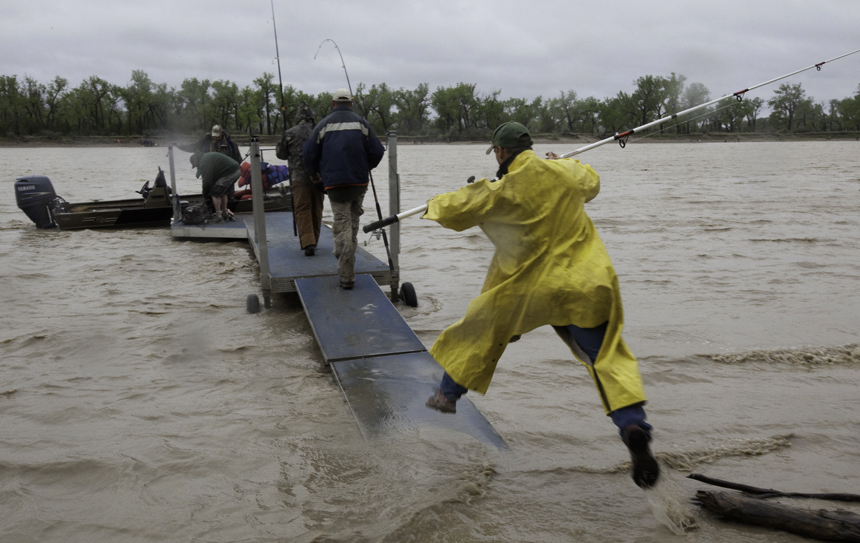
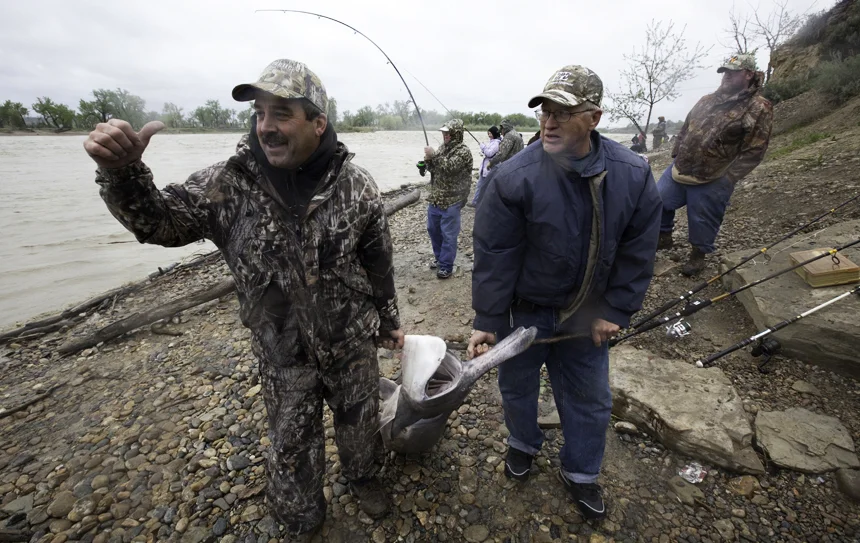
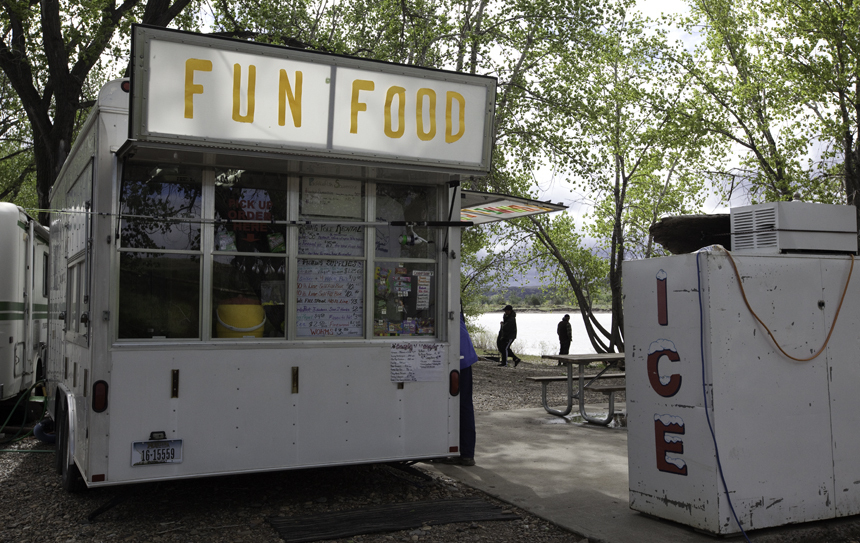
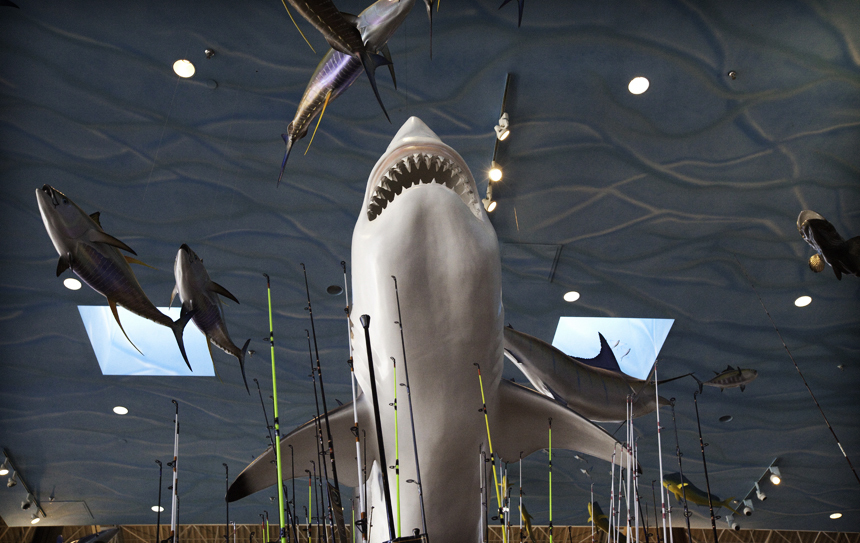
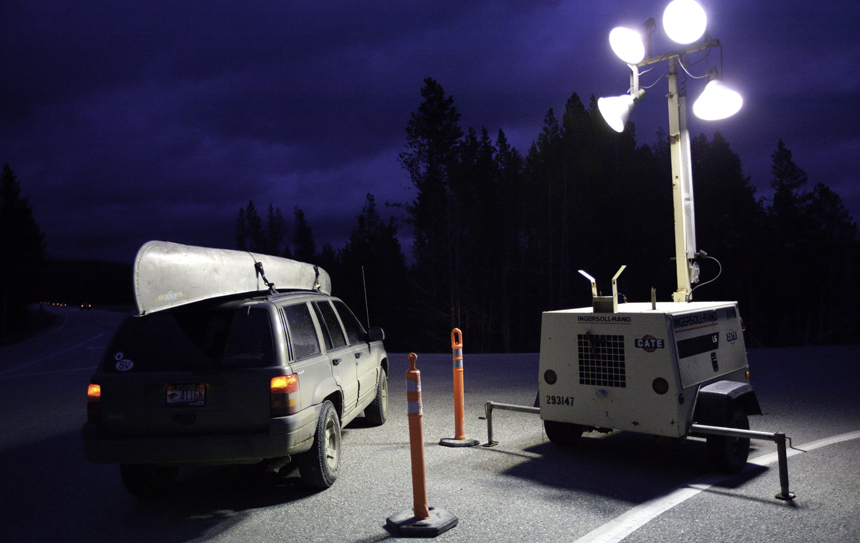
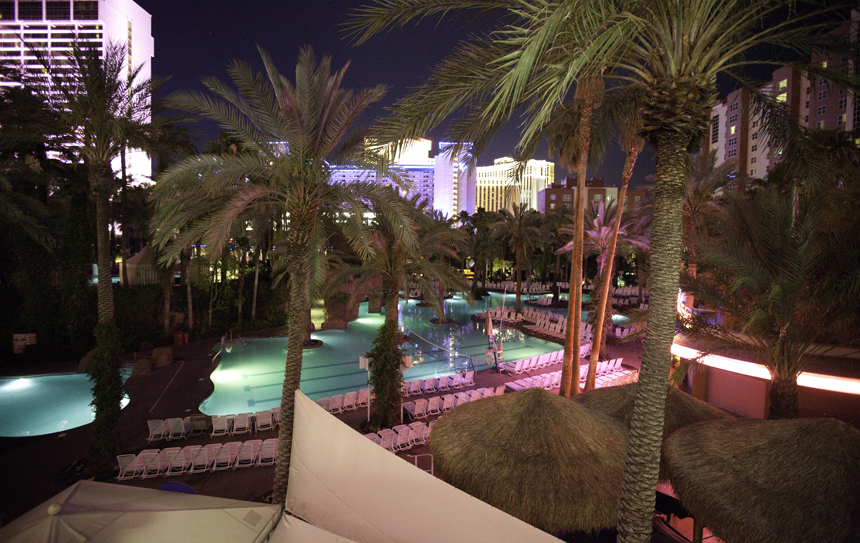
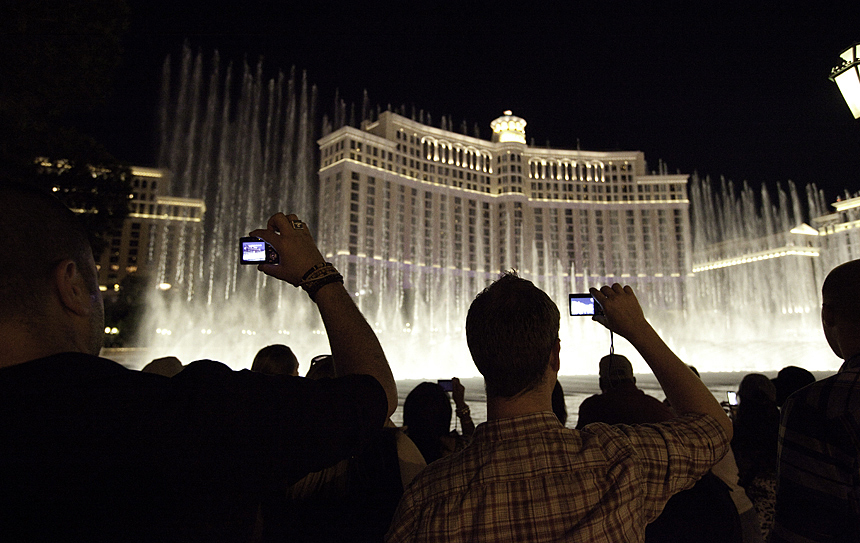
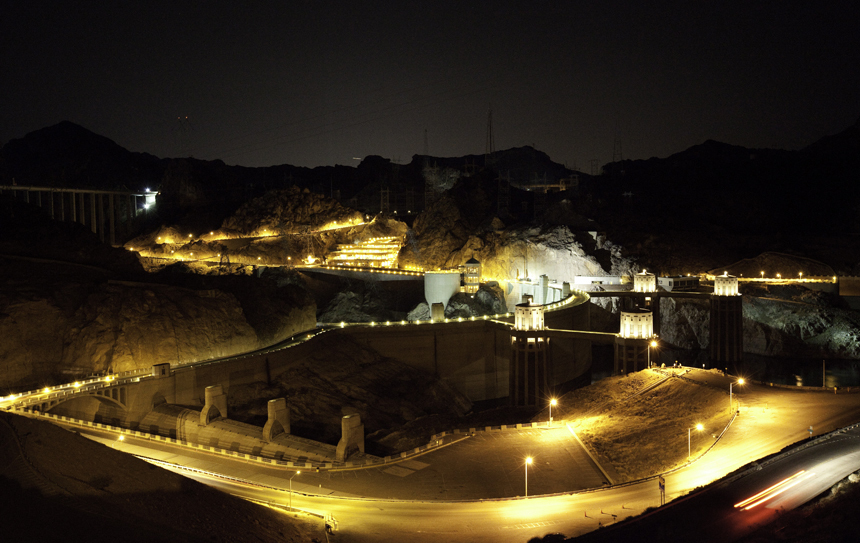
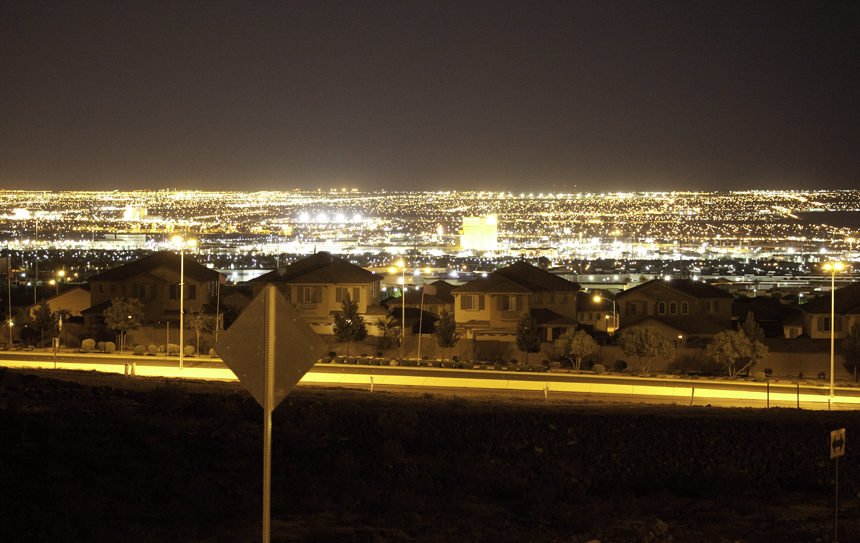
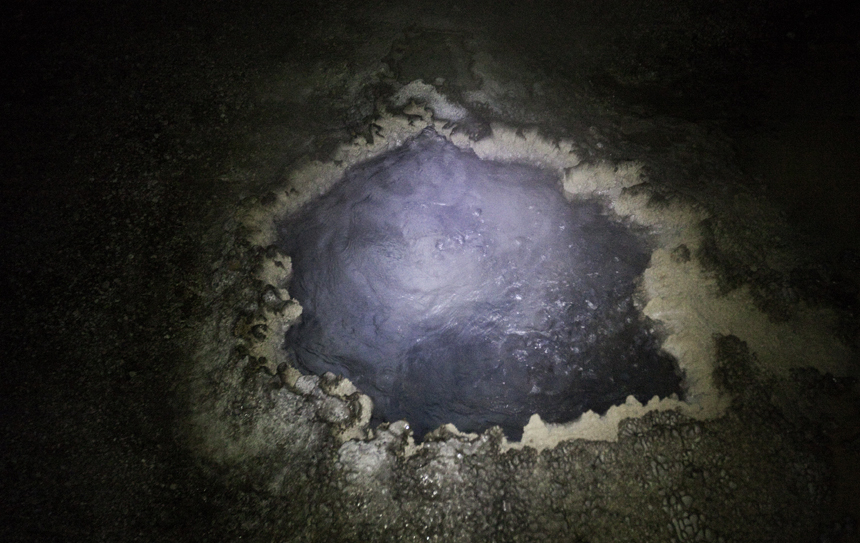
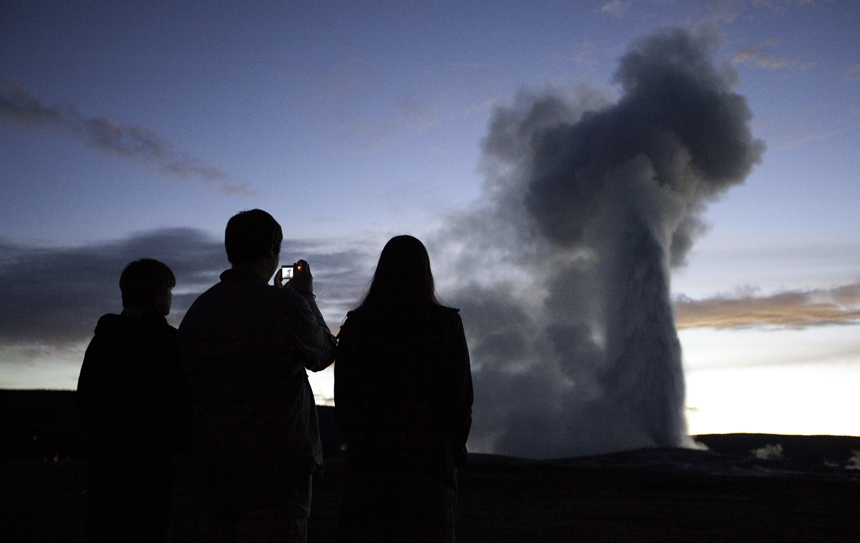
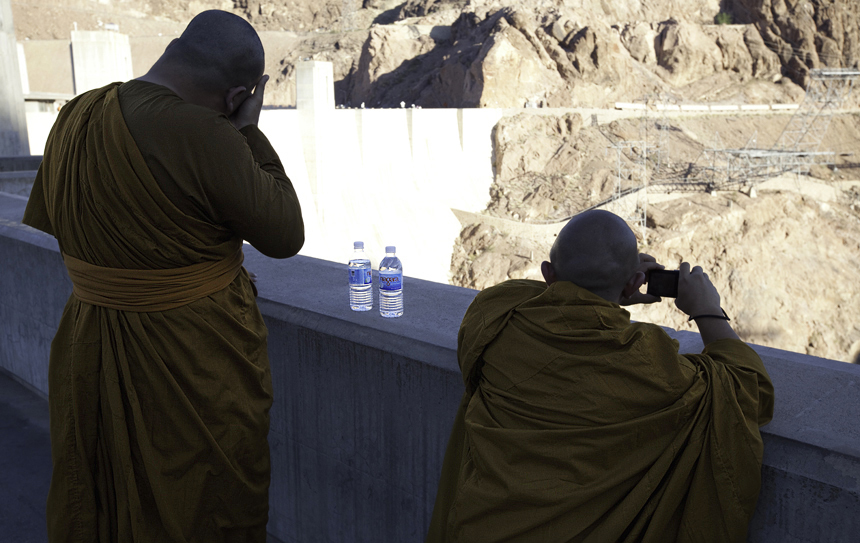
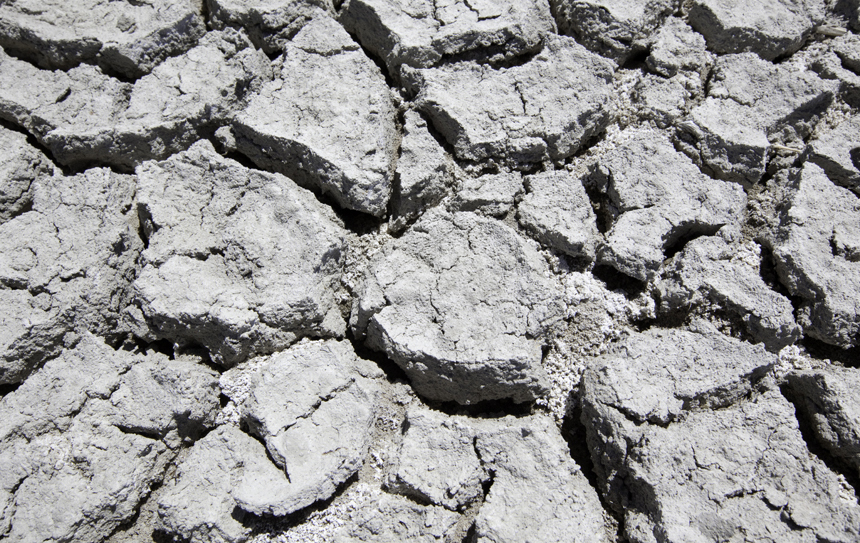
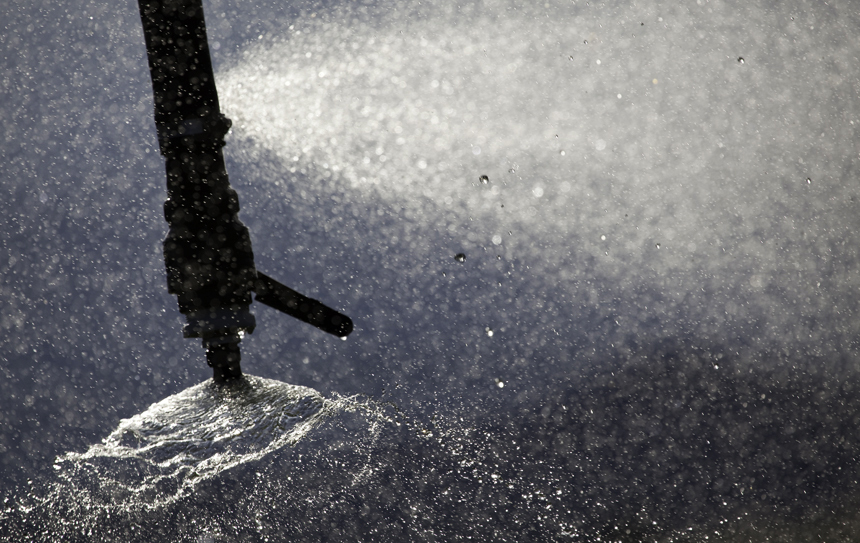
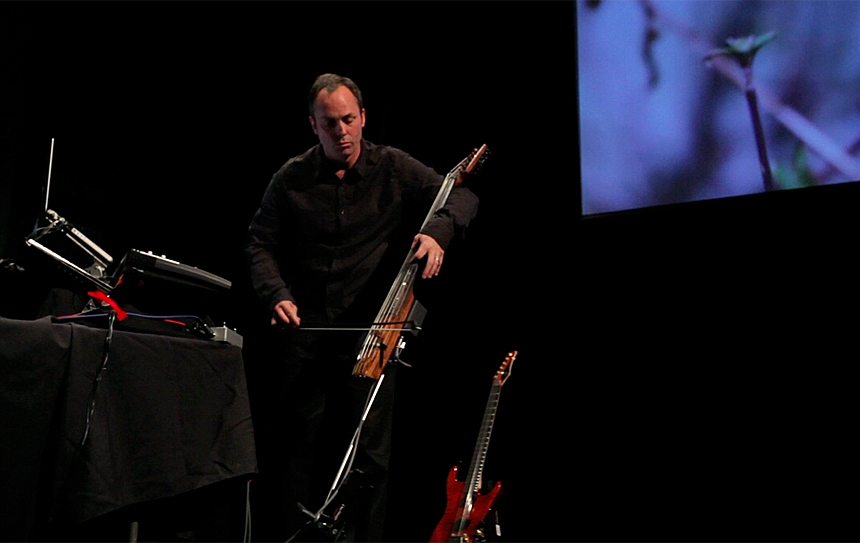
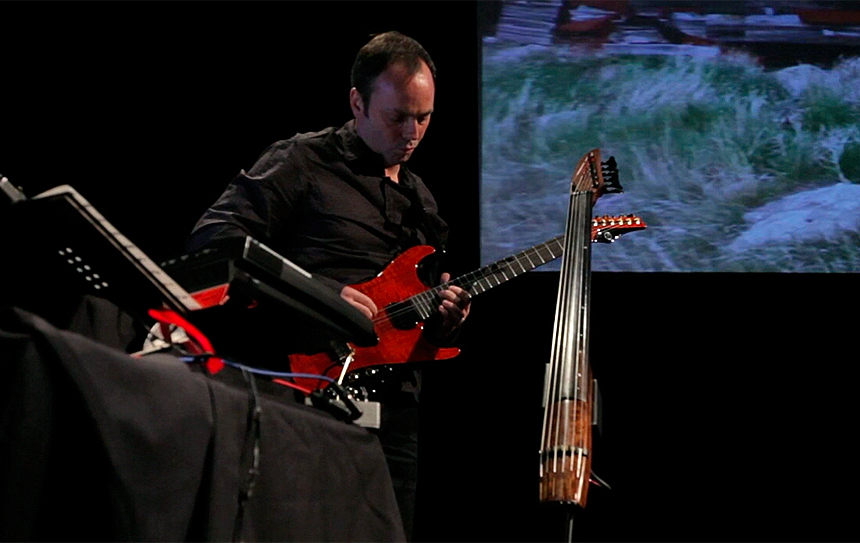
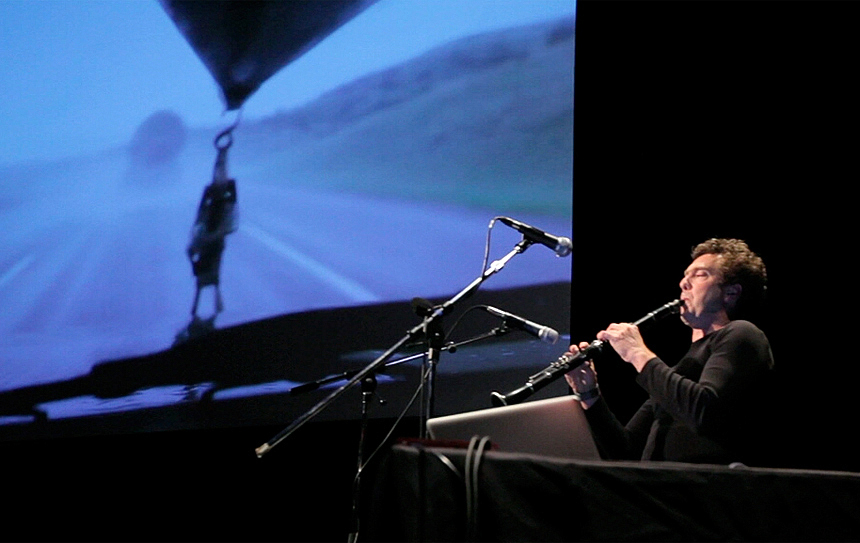
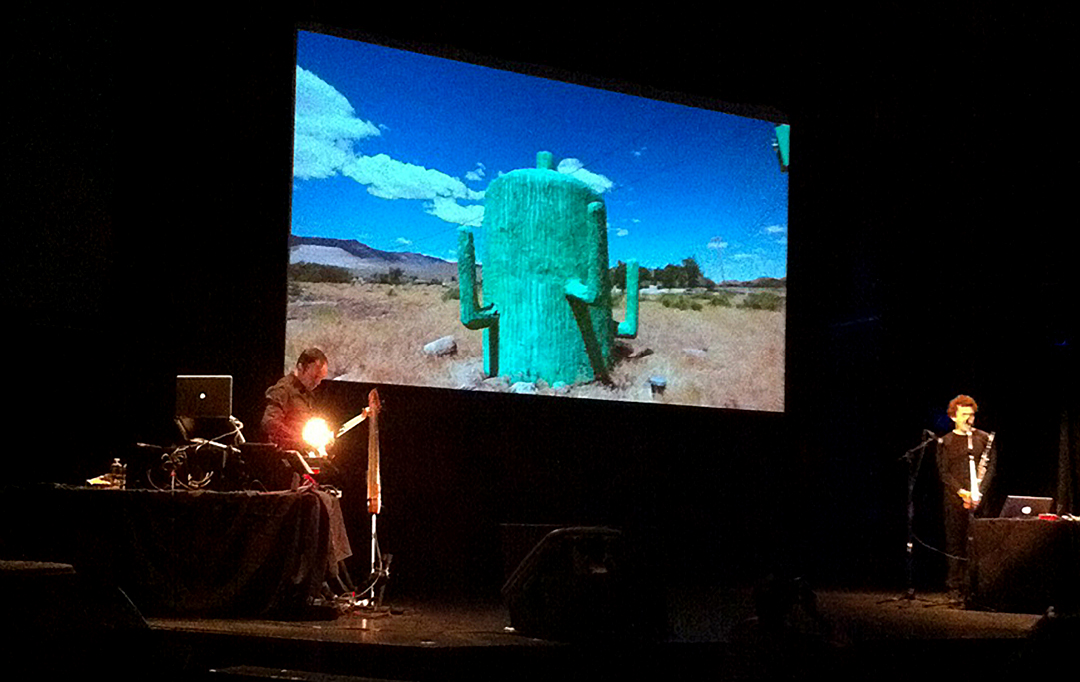
THE ELECTROSENSE OF PADDLEFISH:   a multimedia piece on Water in the American West Charles Lindsay and David Rothenberg Why did Floyd Dominy draw the instructions for how to blow up the Glen Canyon Dam on on a napkin? It was his greatest creation as director of the US Bureau of Land Management. What did he know about the evils of damming the West? This is a short compilation from the premiere of a live performance interpreting the complex environmental, political and social issues involving water and the Western United States.  From the frontier days to 21st century silicon valley, water has been a lifeblood, transforming the western half of our nation from desert and wilderness into a booming region requiring vast quantities of this precious liquid resource — which westerners will stop at nothing to get. Music:  Lindsay’s pristine and processed field recordings, 6 string electric cello and Moog guitar. Rothenberg on clarinets and overtone flutes, live explorations of found sounds and words depicting the strange struggle of water to fight back against those who would try to control it. Pre-recorded and processed female vocals by Charley Paige. Video: From May through August, 2010 Lindsay traveled the west capturing video of all things affected by water. Locations included Las Vegas, Fort Peck, Mono Lake, The Hoover Dam, Idaho's 'Craters of the Moon' National Monument and Silver Creek Preserve. He shot Yellowstone Park’s geysers and forest fire remnants, Paddlefish snagging, The Sip & Dip ‘Mermaid Bar’ in Great Falls, the open pit copper mine in Butte, which is the United States largest Super Fund site. He shot Noah’s Ark at a Creationist Dinosaur Museum, industrial irrigation, an abandoned depression era farm, water coolers and truck stops and 75 million year old ocean beds. The remixed video projection was structured in eight parts for a forty minute improvised performance. This was the closing event at Ear to the Earth, 2010 - an annual festival of sound and music devoted to the environment - held under the umbrella of the Electronic Music Foundation.  The venue was Frederick Loewe Theater, 35 West 4th St. NY, NY.  We may perform this piece again in 2012. please stay tuned, or better yet, send the tour bus and roadies... Thank you Chen Serfaty + Liron Unreich, for superlative video editing, production and smiles.

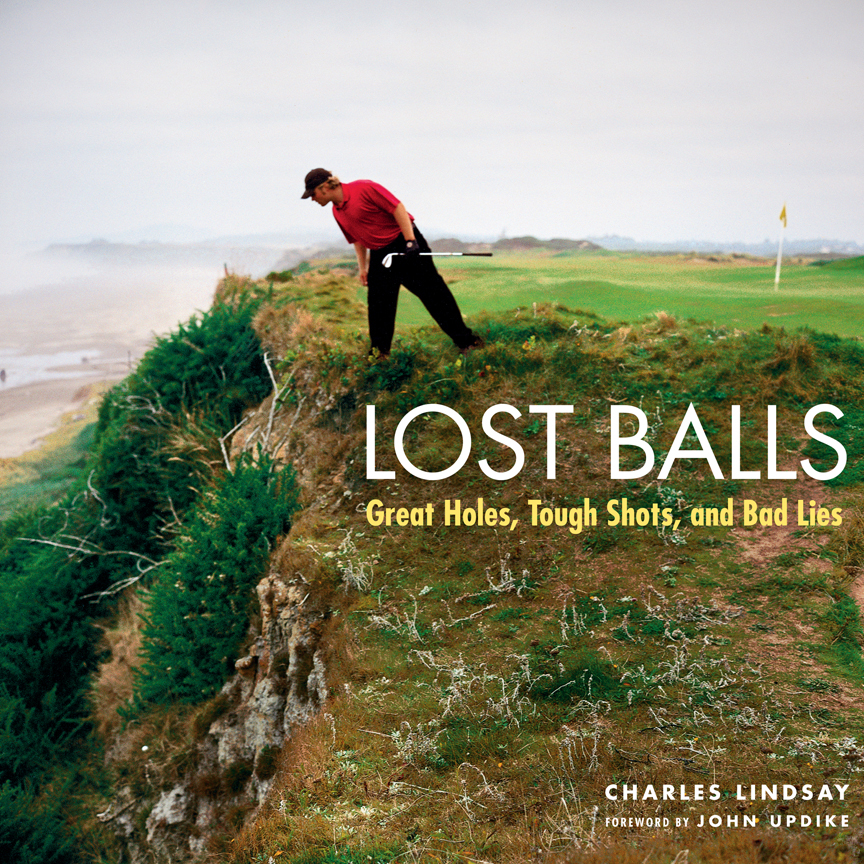
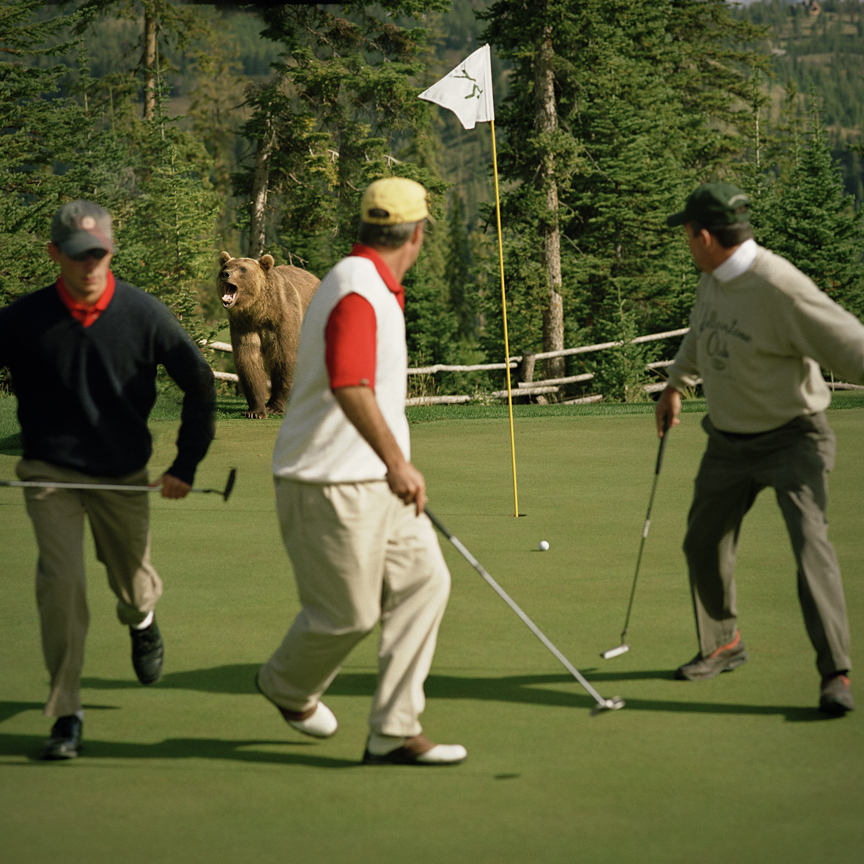
Lost Balls

Lost Balls

UPSTREAM

UPSTREAM

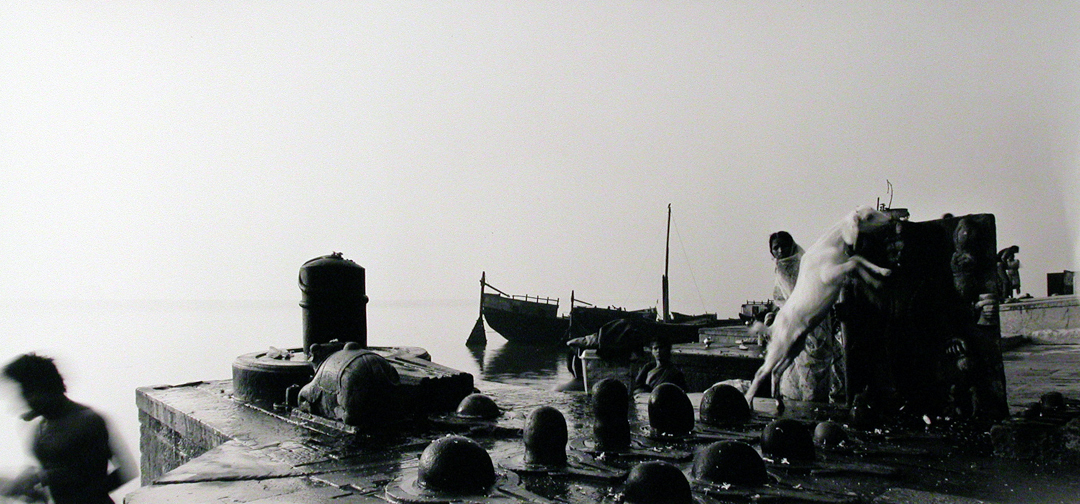
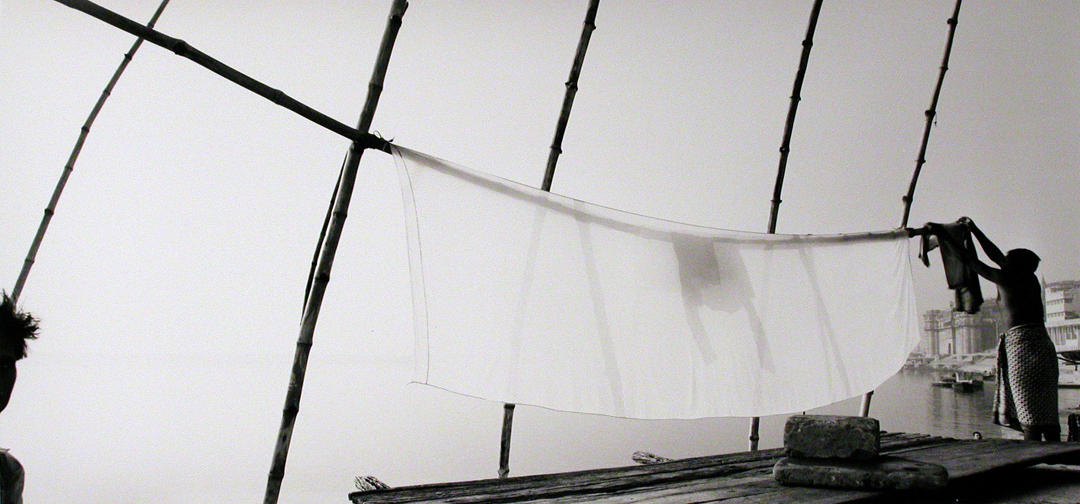
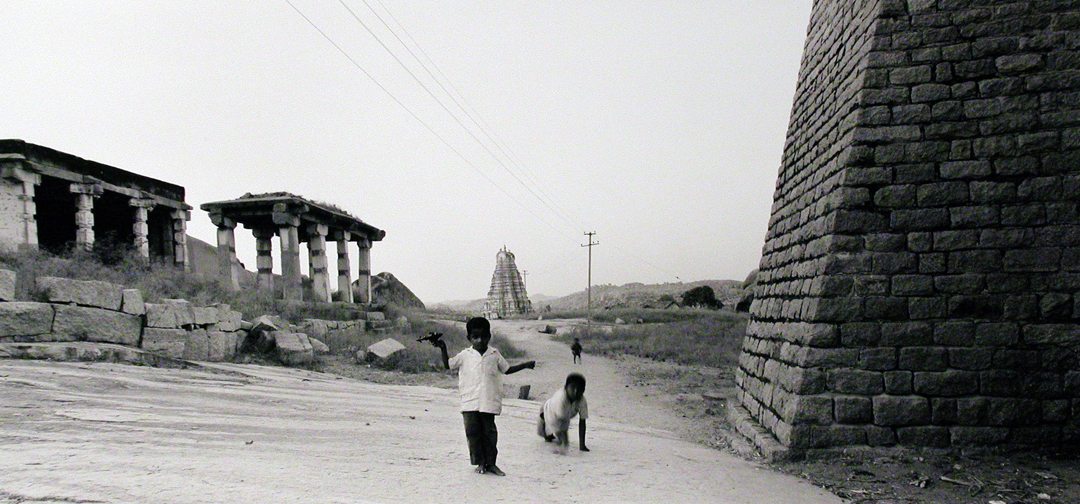
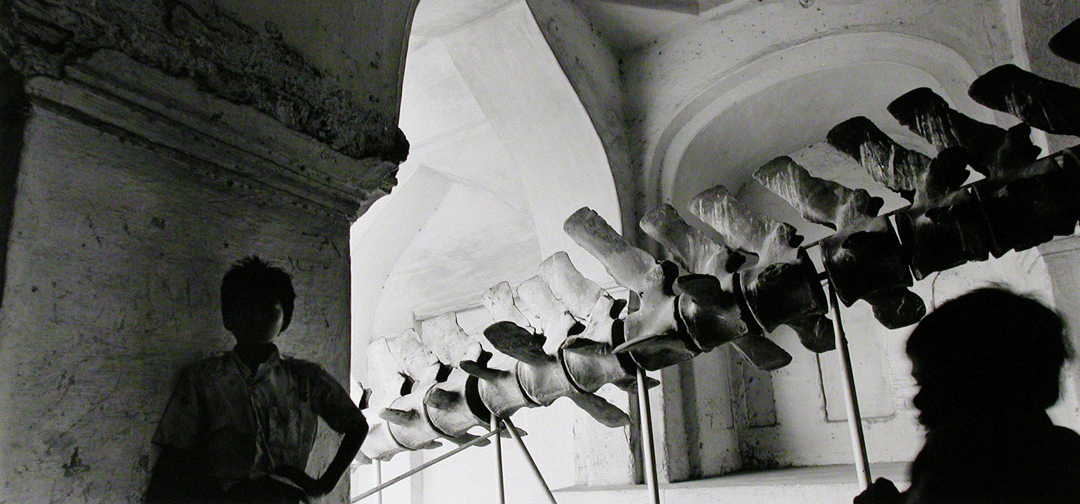
Subcontinent

Subcontinent

Mentawai Shaman

Mentawai Shaman